


2026–2030 Strategic Plan
FRAMEWORK
Tulane University School of Medicine’s 2026–2030 Strategic Plan sets a unified course for transforming healthcare, education, and research beyond extraordinary. Guided by the vision of becoming the Gulf South’s regional tertiary and quaternary destination, the plan advances three interconnected missions—clinical care, research, and education—through four institution-wide pillars: differentiation, innovation, expansion, and collaboration. Shaped by data-driven analysis and broad engagement across Tulane, TUSOM, LCMC, LSU, and community partners, the plan provides an ambitious, operationally grounded roadmap for growth and impact through 2030.

VISION
Transforming Healthcare, Education, and Research Beyond Extraordinary
Tulane University School of Medicine is committed to setting a higher standard for how healthcare is delivered, how future leaders are educated, and how discoveries improve lives. Through excellence, innovation, and purpose-driven collaboration, we will create meaningful impact across New Orleans, the Gulf South, and beyond.
Focus areas
- Advance exceptional patient care and outcomes
- Prepare physicians and health professionals for the future
- Accelerate discoveries that address critical health challenges
- Improve health and well-being across the region


Strategic Direction
Become the Regional Tertiary and Quaternary Destination in the Gulf South
Tulane University School of Medicine will strengthen its role as a destination for the region’s most complex medical needs. By expanding specialized clinical services, research capacity, academic programs, and strategic partnerships, TUSOM will attract patients, learners, faculty, researchers, and collaborators from across the Gulf South and beyond.
What this means
- Build regional leadership in complex and specialty care
- Expand access to advanced clinical services
- Strengthen connections between clinical care, education, and research
- Grow Tulane’s regional presence and influence
- Develop the people, facilities, technology, and partnerships needed for long-term excellence
Three Core Missions
The Missions That Define Our Impact

Deliver Advanced Care With Purpose
TUSOM will provide exceptional, patient-centered care while expanding access to the specialized services and expertise needed across the Gulf South. Clinical excellence will be supported by strong partnerships, innovative care models, and close integration with education and research.
Priorities
- Priority A: Develop Centers of Excellence (COE) in Key Clinical Services to Become a Regional Tertiary & Quaternary Destination Center.
- Priority B: Expanding and Developing New Capabilities to Drive System Growth.
- Priority C: Evaluate Potential Partners to Improve Catchment Area and Drive New Tertiary & Quaternary Referrals to LCMC.
- Priority D: Marketing & Branding Hospital Partnership with LCMC.
Develop Centers of Excellence (COE) in Key Clinical Services to Become a Regional Tertiary & Quaternary Destination Center.
- Goal 1: Accelerate Cardiovascular Service Line Growth as a Regional Destination for Advanced Care
- Goal 2: Strengthen the Tulane Cancer Center by Advancing Disease Specific Programs in Collaboration with Our Academic and Heath Systems Partners
- Goal 3: Establish a Neurosciences COE Bolstered Through Growth in Subspecialists and Cutting-Edge Technology
Expand and Develop New Capabilities to Drive System Growth
- Goal 1: Expand TUSOM Acute Clinical Programming and Ambulatory Presence in the North Shore
Evaluate Potential Partners to Improve Catchment Area and Drive New Tertiary & Quaternary Referrals to LCMC.
- Goal 1: Explore Regional Partnerships with Memorial Gulfport and Thibodaux Regional
Marketing & Branding - Hospital Partnership with LCMC
- Goal 1: Establish a Unified Tulane - LCMC Brand Identity that Reflects the Partnership's Academic Distinction, Clinical Excellence, and Regional Presence
- Dr. Wassim Abi Jaoude
- Dr. Rizwan Aslam
- Dr. Aimee Aysenne
- Dr. Jamil Borgi
- Curry Cates
- Greg Clouatre
- Dr. Bridgette Collins-Burow
- Dr. Ralph Corsetti
- Tara Desko
- Dr. Chancellor Donald
- Vanessa Durbin
- Dr. Brian Eisner
- Seanne Falconer
- Ragan Gankendorff
- Dr. Sarah Glover
- Bobbie Leaumont
- Dr. Max Levy
- Dr. Michele Longo
- Dr. Nassir Marrouche
- Suzy Mason
- Dr. Chris Maulucci
- Dr. Geraldine Menard
- Maria Osborn
- Kim Peters
- Dr. Gabrielle Pridjian
- Dr. Justin Salerian
- Carmen Sarduy
- Carolyn Scofield
- Dr. Jessica Shank
- Dr. Sasa Vukelic
- Dr. Arthur Wang
- Dr. Jose Wiley
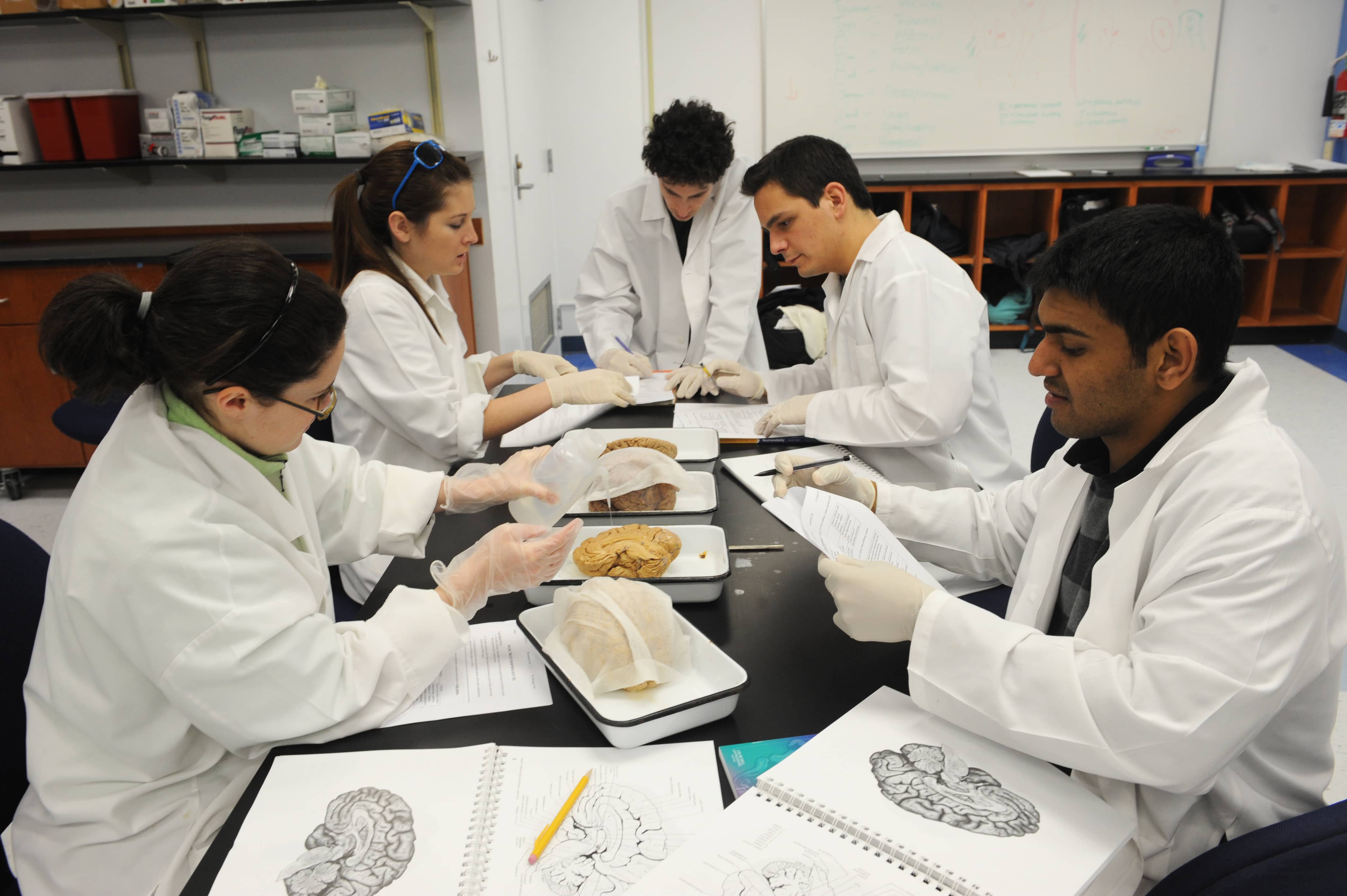
Prepare the Leaders Healthcare Needs
TUSOM will educate and develop physicians, scientists, and health professionals who are equipped to lead in a changing healthcare environment. Learners will be prepared through rigorous training, innovative teaching, mentorship, and meaningful clinical and research experiences.
Areas of focus
- Excellence across undergraduate, graduate, and continuing education
- Innovative and adaptable learning models
- Interprofessional and team-based education
- Recruitment, development, and retention of talented learners and faculty
- Training that advances health equity and community well-being
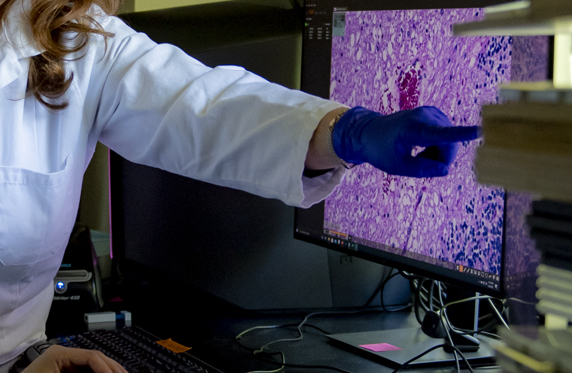
Turn Discovery Into Impact
TUSOM will advance research that addresses urgent health challenges and translates knowledge into meaningful improvements in care and health. The research enterprise will be strengthened through investment, collaboration, innovation, and connections to clinical practice.
Priorities
- Priority A: Clinical Trials Operational Excellence & Portfolio Growth
- Priority B: Research Excellence, Development, and Funding Diversification
Clinical Trials Operational Excellence & Portfolio Growth
- Goal 1: Build a high-performing Clinical Trials Enterprise that Grows Clinical Research Programs
- Goal 2: Strengthen Industry and Health System Research Partnerships
Research Excellence, Development, and Funding Diversification
- Goal 1: Increase Investment in Signature Scientific Programs
- Goal 2: Grow Funded Investigator Base and Diversify Research Funding
- Goal 3: Increase Extramural Collaborative Projects with Tulane Schools
- Sarah Bigelow
- David Crosslin
- Dr. Patrice Delafontaine
- Dr. Hong-Wen Deng
- Dr. Vivian Fonseca
- Dr. Sarah Glover
- Dr. Jay Kolls
- Dr. Tonnette Krousel-Wood
- Marla Lampp
- Dr. Hua Lu
- Eva Lustigova
- Dr. Chad Roy
- Chance Sweat
- Dr. Victor Thannickal
- Stephanie White
.Four Institutional Pillars
The Forces Driving Our Strategic Progress
DIFFERENTIATION
Build on Our Distinctive Strengths
TUSOM will focus resources and expertise in areas where it can achieve distinctive excellence and make the greatest impact. Differentiation means developing recognized strengths that set Tulane apart in the Gulf South and nationally.
INNOVATION
Reimagine Care, Discovery, and Learning
TUSOM will embrace new approaches that improve outcomes, expand access, and prepare the institution for the future. Innovation will shape how we deliver care, conduct research, educate learners, and serve our communities.
EXPANSION
Extend Our Reach and Capacity
TUSOM will grow its clinical presence, research enterprise, educational programs, and regional impact. Expansion will be strategic, mission-driven, and grounded in the needs of the Gulf South.
COLLABORATION
Achieve More Together
Partnerships are essential to TUSOM’s success. Through deeper collaboration with LCMC, LSU, Tulane University, and other academic, healthcare, community, and industry partners, TUSOM will align expertise and resources around shared goals.
.Execution Drivers
Foundational Requirements for Success
Business Operations
Building the operational discipline and infrastructure needed to support sustainable growth and performance.
- Implementation of a sustainable, aligned funds flow model
- High-functioning internal operations (systems and supporting infrastructure)
- Optimized clinical operations and patient access
- Data & Digital Transformation
Institutional Strategy
Strengthening the institution's strategic position by investing in talent, alignment, brand, and long-term capacity.
- Ability to recruit and retain high caliber talent
- Aligned clinical & clinical research approaches with LCMC
- Leveraging Tulane’s brand strength locally and regionally
- Willingness to invest
Research Enhancement
Advancing a high-performing, well-supported research institution through investment, infrastructure, culture, and alignment.
- Investment Needs
- Research Infrastructure & Technology
- Research Culture & Workforce Development
- Organizational Governance & Strategic Alignment
Frequently Asked Questions
The plan is Tulane University School of Medicine’s roadmap for advancing its clinical care, education, and research missions through 2030.
A formal plan was not in place for 2020–2025 because of the unprecedented operational demands of the COVID-19 pandemic and the relocation of Tulane’s flagship academic medical center, including the transition to a new partnership with LCMC. The 2026–2030 planning process reestablishes a structured framework for the school’s future.
Tertiary and quaternary care refer to highly specialized and complex medical services. These services often involve advanced diagnostics, specialized procedures, and multidisciplinary expertise for patients with complex or uncommon conditions.
The plan was developed by TUSOM in coordination with Tulane University leadership, with support from Chartis. The process engaged leaders across TUSOM, Tulane University, and LCMC through interviews, joint meetings, and focus groups.
The planning process combined quantitative analysis—including market assessments, pro forma analyses, and data-driven benchmarking—with qualitative input from institutional leaders and partners. This approach grounded the plan in both broad perspectives and operational realities.
The plan emphasizes expanded access to specialized care, stronger regional clinical services, improved health outcomes, and partnerships that respond to the needs of communities across the Gulf South.
The plan provides a shared direction for strengthening educational opportunities, research capacity, clinical excellence, collaboration, and the institutional resources needed to support the TUSOM community.
The plan is aligned with Tulane University’s broader leadership and deepens collaboration with LCMC. It also recognizes the importance of partnerships with LSU and other Tulane schools in advancing shared clinical, educational, and research goals.
A Shared Roadmap for the Future
The 2026–2030 Strategic Plan provides a shared framework for advancing Tulane University School of Medicine’s clinical, educational, and research missions. Grounded in differentiation, innovation, expansion, and collaboration, the plan aligns people and resources around a common ambition: to transform healthcare, education, and research beyond extraordinary and strengthen TUSOM’s role as the Gulf South’s regional tertiary and quaternary destination.