
Department of
Physiology

Welcome
Welcome to the Department of Physiology at Tulane University School of Medicine in New Orleans. Our primary objectives are to provide the resources and opportunities that foster excellence in research among faculty, fellows, and students, to provide a superior teaching resource to medical and graduate students, and to provide exemplary service to the medical school and university.
Our faculty members continue to strive for innovative and novel approaches to research. Some of our department's research areas include renal, cardiovascular, endocrine, cellular, molecular, and neurophysiology. A major focus area is on the pathophysiology of hypertension and the role of the renin-angiotensin system. We work closely with the Hypertension and Renal Center of Excellence in this endeavor. We are fortunate to have faculty who are recognized researchers and scholars in their fields, talented and stimulating teachers, and committed to effective intro-and interdepartmental collaboration.
-Heddwen L. Brooks, PhD
Professor and Chair
Department of Physiology
What is Physiology?
Physiology is the study of how the activities of genes, cells, tissues, and organs are integrated to accomplish the complex functions living organisms perform. Because of the structural and functional complexity of even simple organisms, physiologists draw upon knowledge from many different scientific disciplines, such as molecular and cellular biology, physics, mathematics, and biochemistry. From a medical perspective, understanding normal function is a prerequisite to understanding disease.
Physiology is the study of the mechanisms responsible for homeostasis in living organisms. As such, the discipline of physiology is concerned with normal functions of the body, and it provides the foundation upon which we expand our knowledge and understanding of how diseases and environmental stresses derange life processes. Scientific investigations range from molecular and intracellular mechanisms to the functional integration of various organ systems. As an essential component of medical education and biomedical research, physiology contributes to our understanding of normal function, a prerequisite to understanding pathophysiologic processes, disease conditions, and their treatment.
Accordingly, the department is fully committed to the principles of medical education, which are transmitting knowledge through teaching, acquiring knowledge through research, and disseminating and preserving knowledge through publication. The mission of the Department of Physiology is to (I) provide a superior teaching resource in the Physiological Sciences to medical and graduate students, (II) achieve and maintain the highest measures of competitive research, and (III) provide service to the Medical School and University in an exemplary manner.
"Integrating Life Sciences from Molecular and Cellular Mechanisms to the Organism"

Academic Programs
The Concentration in Physiology offers rigorous, research-focused PhD training tailored to each student’s scientific interests. Students receive broad foundational training in physiology alongside in-depth research experience in areas such as cellular, cardiovascular, renal, endocrine, and neurophysiology. Through close mentorship, laboratory rotations, seminars, and teaching opportunities, the program prepares graduates for independent research careers and leadership roles in academic, clinical, and industry settings.

MD/PhD Program
Combine medical training with advanced research through Tulane’s MD/PhD pathway, designed for medical students pursuing careers at the intersection of patient care and scientific discovery.
Masters Program
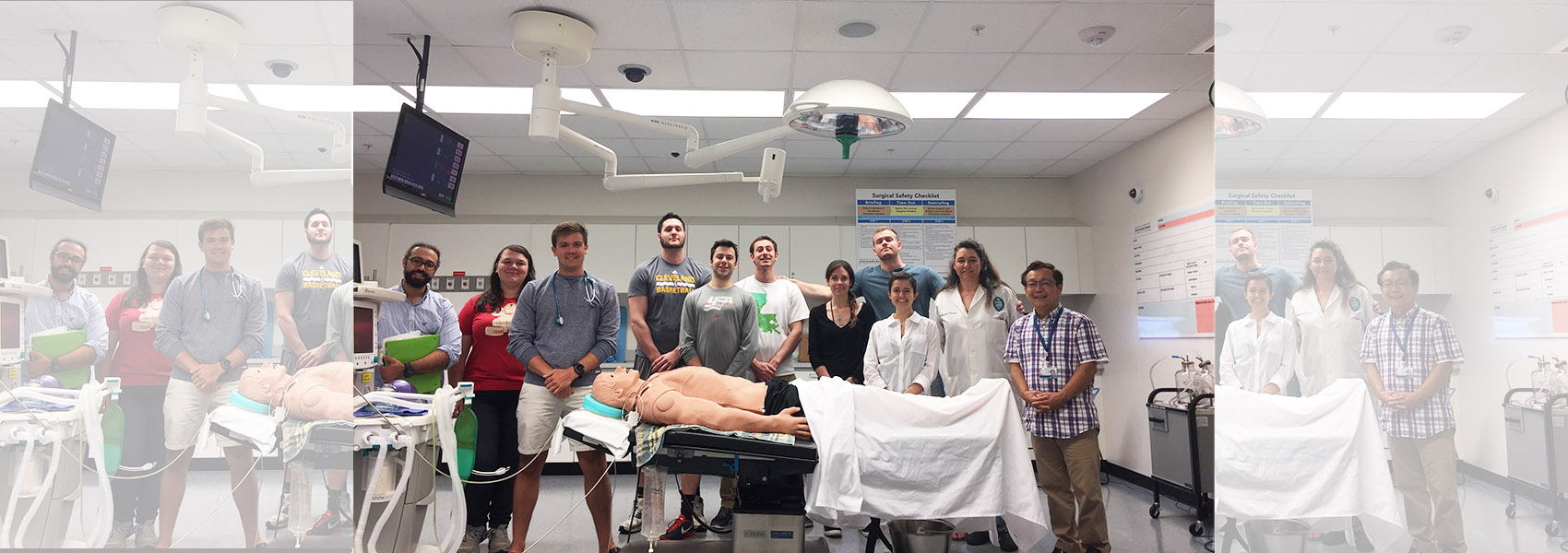
Build a strong foundation for medical or professional school with Tulane’s one-year Physiology Master’s program, offering advanced coursework, research exposure, and direct preparation for the next step in your career.

PhD Program
Pursue a flexible, research-driven PhD in Physiology with rigorous coursework, individualized mentorship, and hands-on teaching and laboratory experience designed to prepare you for advanced scientific and academic careers.
Research
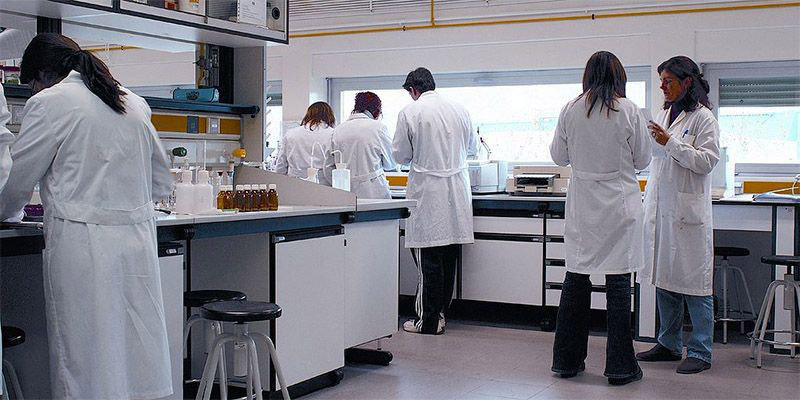
Explore interdisciplinary, hands-on research in hypertension and cardiovascular science—gain mentored experience from bench to bedside with Tulane’s Physiology and Hypertension & Renal Center of Excellence.
News
Physiology News Block



Mailing Address:
Tulane University School of Medicine
Department of Physiology
Mail Code #8639
1430 Tulane Avenue
New Orleans, LA 70112
Physical Address:
Tulane University School of Medicine
Department of Physiology
4th Floor - Room 4002
1430 Tulane Avenue
New Orleans, LA 70112
