
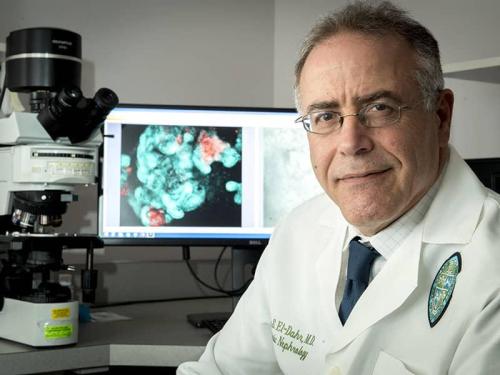
in the Department of Pediatrics at Tulane University School of Medicine.
Tulane University’s Section of Pediatric Nephrology is a nationally recognized program that integrates basic science, translational research, and clinical care to better understand and treat kidney diseases in children. The program is closely tied to the Department of Pediatrics and collaborates across multiple disciplines, including genetics, epidemiology, and cardiovascular research.
Core Research Focus
The central theme of Tulane’s pediatric nephrology research is the cellular and molecular regulation of kidney development. Researchers aim to understand how kidneys form during early life and how disruptions in this process lead to disease.
Key areas include:
- Kidney Development & Nephron Formation
Studies focus on how nephron progenitor cells balance self-renewal and differentiation, which ultimately determines nephron number and long-term kidney health. - Epigenetics & Gene Regulation
Research examines how chromatin modifications (e.g., histone methylation and deacetylation) control gene expression during kidney development and influence disease risk. - Gene–Environment Interactions
Investigators use animal models to study how genetic defects combined with environmental stressors (such as maternal diet) contribute to abnormal kidney development and disease. - Renin–Angiotensin System (RAS) & Hypertension
A major research theme is understanding how hormonal systems like RAS regulate kidney development and blood pressure, and how disruptions lead to congenital anomalies and hypertension.
Disease-Oriented Research
Tulane researchers focus on pediatric kidney conditions such as:
- Congenital anomalies of the kidney and urinary tract (CAKUT)
- Chronic kidney disease (CKD) and end-stage kidney disease (ESKD)
- Pediatric hypertension
- Renal dysplasia and developmental disorders
These conditions are studied to identify mechanisms of disease and potential therapeutic targets.
Translational and Clinical Impact
The program emphasizes translating laboratory findings into clinical applications by:
- Identifying molecular pathways that can be targeted for new therapies
- Improving early detection and prevention strategies
- Linking developmental biology to long-term outcomes like hypertension and cardiovascular disease
This integration of bench-to-bedside research aims to improve lifelong health outcomes for children with kidney disease.
Research Environment & Collaboration
Tulane’s pediatric nephrology research is highly collaborative, involving:
- Multiple research labs (e.g., El-Dahr, Liu, and Tortelote labs)
- Partnerships with centers such as the Hypertension and Renal Center of Excellence
- Cross-disciplinary work with public health, genetics, and physiology programs