Research
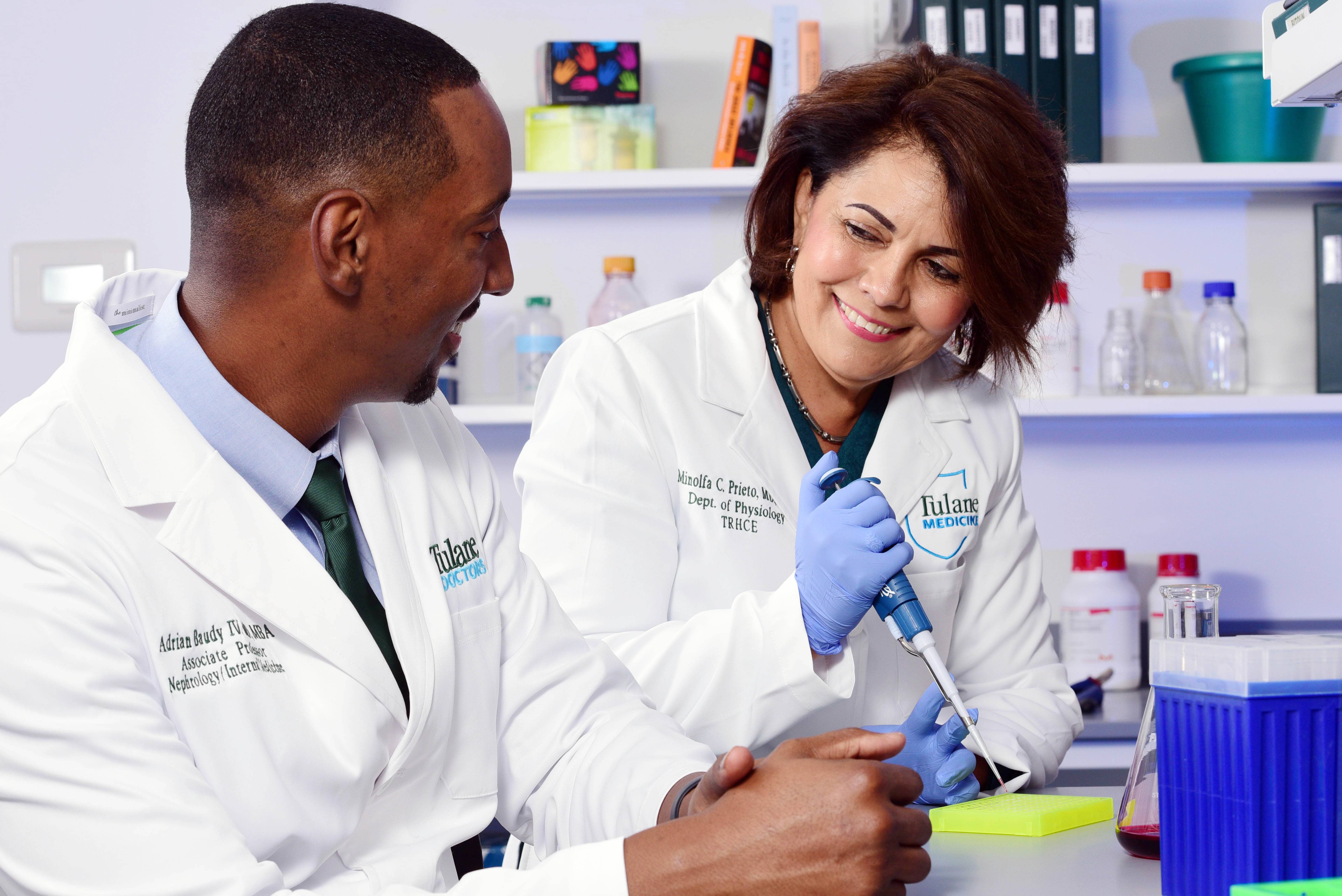
Launching diverse careers in clinical and translational research

Comprehensive core facilities for cutting-edge discovery
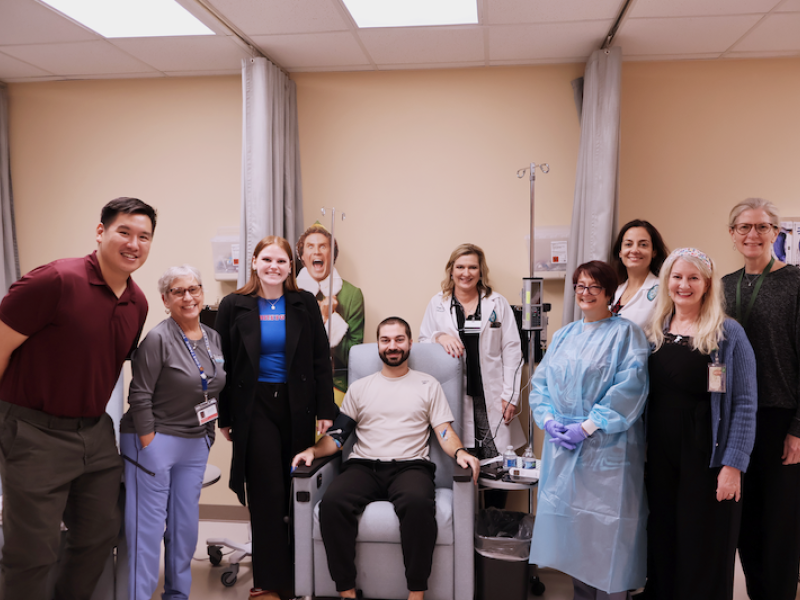
Bridging research and community health with expert clinical trial support

High-quality, consistent, and timely research administrative services
Advance Your Research Through the Center for Clinical and Translational Science (CCTS) Partner Network

As a member of the CCTS Partner Network, researchers and faculty at Tulane University can connect to a broad range of services, expertise, training, and collaborative opportunities designed to support clinical and translational research. Whether you are developing a new project, strengthening an existing study, building partnerships across institutions, or looking for professional development, the CCTS can help you move your work forward.
Through the CCTS, investigators may find support in areas such as study planning, research education and training, pilot funding opportunities, informatics and data resources, community-engaged research support, clinical research services, and connections to collaborators across the region. Explore the resources available to Partner Network investigators and discover how the CCTS can support your research goals.
Explore CCTS resources for Partner Network investigators
- Research Resources
- Education and Training
- Dissemination and Implementation Science
- Community Engagement
- Funding Opportunities

About the Center for Clinical and Translational Science
The Center for Clinical and Translational Science (CCTS) is a regional research partnership that connects investigators, trainees, and research teams across 11 institutions in Alabama, Mississippi, and Louisiana. Through the CCTS Partner Network, members can access training, research resources, expert support, funding opportunities, and collaborations designed to strengthen clinical and translational research and help move discoveries into practice.
By The Numbers
475
Proposals submitted in 2024
$74 million
Annual research funding
443
Grants awarded in 2024
21
Research Departments
50+
Research Faculty
How We Advance Our Research
Medical research is at the core of Tulane University School of Medicine. We attract top faculty, researchers and students from across the globe, driving medical innovation through groundbreaking research and surgical advancements. From pioneering the binocular microscope to performing cutting-edge robotic surgeries, Tulane has led medical breakthroughs while training future healthcare leaders.
NIH grants play a vital role in this work. For instance, in 2022, we received an $11.4 million NIH grant to establish the Tulane University Translational Sciences Institute, dedicated to advancing clinical research on high blood pressure, obesity, diabetes and related conditions. As part of the NIH’s Centers of Biomedical Research Excellence program, which supports research capacity in under-resourced states, the institute focuses on transforming scientific discoveries into real-world applications to improve public health.
Since 2002, we have secured over $58 million in funding for NIH centers of excellence in hypertension, cancer genetics, regenerative medicine and translational research.
Read More from Dr. L. Lee Hamm, MD.
The NIH also awarded us a five-year, $42 million grant to the Tulane National Primate Research Center (TNPRC) to support its mission of advancing biomedical research to combat infectious diseases like HIV/AIDS, Lyme disease, malaria and tuberculosis. As one of only three NIH-selected sites for testing promising AIDS vaccines in nonhuman primates, TNPRC also conducts research in regenerative medicine and plans to expand into aging-related diseases, neurodegenerative conditions, cardiovascular disease and substance abuse. The grant, TNPRC’s largest-ever renewal, funds the center’s operations, infrastructure and research programs, ensuring continued collaboration with Tulane’s medical and public health schools. Part of a national network of seven federally funded primate research centers, TNPRC has secured NIH support for over 50 years, contributing to groundbreaking medical discoveries that improve human health worldwide.
Our leadership has been closely monitoring potential federal funding cuts from the NIH. The proposed reduction in indirect research cost coverage to 15%—down from our current 53%—could create a significant funding gap. As the top NIH-funded institution in Louisiana, we receive about $130 million in NIH support, with almost $60 million allocated to the School of Medicine. Cuts of this magnitude would slow or halt critical research that cannot simply be put on pause and resuscitated later.
The impact of reduced funding would directly affect medical research and patient care. With over 1,600 active clinical trials at Tulane, funding cuts would hinder the development of critical treatments, slow scientific discovery, deter leading medical professionals and limit patient access to innovative therapies. Additionally, reduced research support would weaken the university’s role as a leader in biomedical advancements, diminishing opportunities for groundbreaking discoveries that drive medical progress and improve public health. Research is a fundamental pillar of our mission, alongside education and clinical care, as it drives medical advancements that improve public health and save lives.
Without sustained investment, progress slows, limiting the potential for new treatments and breakthroughs. This is particularly concerning for medical schools where NIH funding is the primary support for critical research initiatives. The university alone cannot sustain the level of research needed to make a meaningful impact on health outcomes, making continued federal funding essential for the betterment of society
Tulane Awarded $8.5 Million Contract to Develop Next Generation Whooping Cough Vaccine
Tulane researchers James McLachlan and Lisa Morici explain how nanoparticles shed from bacteria can be used in future vaccines to illicit a more potent immune response than existing technologies. Video by Carolyn Scofield and Keith Brannon.